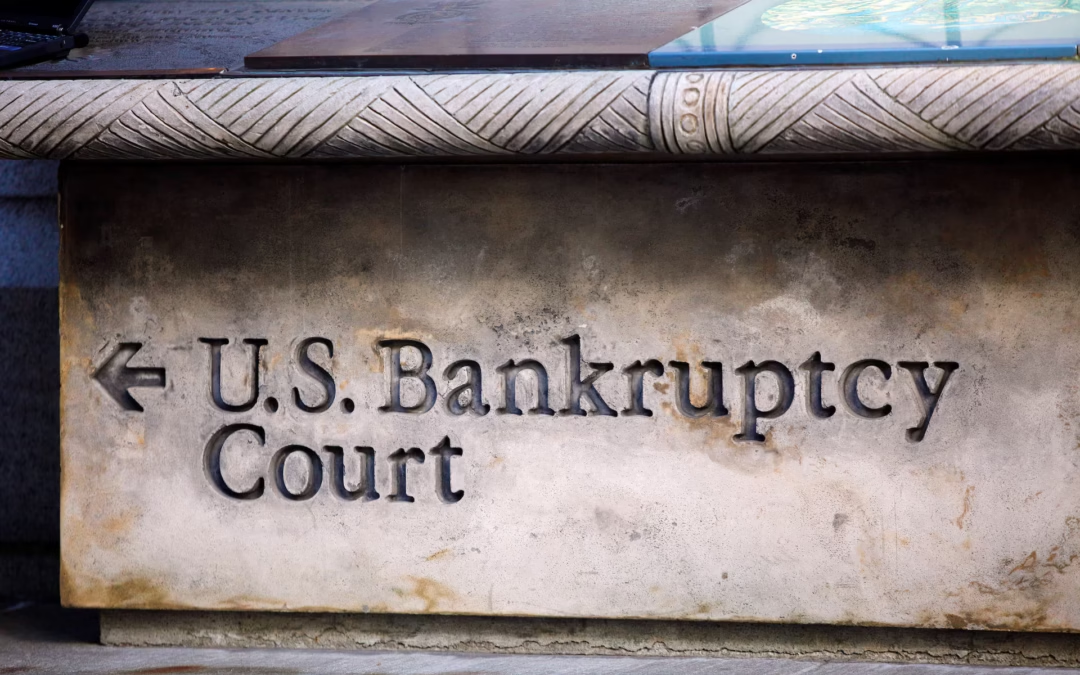
Winning a sweepstakes feels like a permanent upgrade to your financial life. However, a jarring reality shook the chance industry following the Chapter 11 bankruptcy filing of Publishers Clearing House (PCH). When a sponsoring brand collapses, past and present winners discover a harsh truth: corporate promises are only as good as the financial health of the company making them.
If a sweepstakes sponsor or prize provider goes under before or during your payout window, your legal rights depend entirely on the timing of your win, the type of bankruptcy filed, and how the prize pool was structurally funded.
1. The Real-World Precedent: The Fallout of "Lifetime" Prizes
For decades, brands used "Lifetime Annuities" or "$5,000 a week for life" structures as the ultimate marketing hook. The catastrophic risk of these multi-year payouts became clear when PCH filed for bankruptcy under the weight of declining direct-mail revenues and massive regulatory fines.
When online gaming platform ARB Interactive purchased PCH’s remaining operational assets out of a bankruptcy auction, they executed an Asset Purchase Agreement rather than assuming corporate liabilities.
-
The Devastating Loophole: The new owners legally agreed to honor only the prizes awarded after the takeover date.
- The Reality for Past Winners: Decades of legacy "forever" winners were instantly cut off. Their recurring checks completely dried up because their multi-year prize contracts were treated as standard, unprotected corporate debts rather than guaranteed income.
2. The Legal Classification: Winners as "Unsecured Creditors"
When a company files for Chapter 11 (restructuring) or Chapter 7 (liquidation), a federal bankruptcy court takes absolute control of all corporate assets. The court categorizes everyone the company owes money to into a strict legal hierarchy:
┌────────────────────────────────────────────────────────┐
│             THE BANKRUPTCY RECOVERY HIERARCHY          │
└───────────────────────────┬────────────────────────────┘
                            │
         ┌──────────────────┼──────────────────┐
         ▼                  ▼                  ▼
┌─────────────────┐┌─────────────────┐┌─────────────────┐
│ SECURED DEBT    ││ PRIORITY DEBT   ││ UNSECURED DEBT  │
├─────────────────┤├─────────────────┤├─────────────────┤
│ Banks, primary  ││ Employee wages, ││ PAST WINNERS,   │
│ lenders, and    ││ outstanding     ││ vendors, and    │
│ mortgage holders││ corporate taxes ││ general suppliers│
└─────────────────┘└─────────────────┘└─────────────────┘
Because a sweepstakes win is a promotional contract rather than a collateral-backed loan, prize winners are legally classified as general unsecured creditors.
If you are a legacy winner owed installment payouts, you are placed at the absolute bottom of the payout line. Once the secured lenders, bankruptcy attorneys, and tax authorities take their cuts from the remaining assets, there is rarely any cash left over. Unsecured creditors frequently receive pennies on the dollar—or absolutely nothing.

Sweepstakes Prizes and Bankruptcy: What Happens?
3. The One Big Exception: Bonded and Insured Prizes
Your absolute best protection against a sponsor's financial collapse comes down to how the prize pool was structured behind the scenes before the giveaway launched.
State-Mandated Surety Bonds
If you reside in New York or Florida, state laws dictate that any sweepstakes with a total prize pool exceeding $5,000 must be registered and fully bonded with the state department at least 7 to 30 days before launch.
-
The Safety Net: The sponsor must purchase a financial surety bond or place the prize money into a secured escrow account. If the sponsor files for bankruptcy, this bonded money is not part of the general bankruptcy estate. It remains locked up, protected from corporate creditors, and dedicated solely to paying out the verified winners.
Third-Party Prize Indemnity Insurance
If a brand utilizes independent Prize Indemnity Insurance to fund a massive jackpot (such as a halftime contest or a million-dollar scratch-off campaign), the payout risk is completely transferred to an outside insurance carrier. Because the insurance company writes the final check—not the sponsor—the sponsor's subsequent bankruptcy will not halt or disrupt your prize funding.
4. The 2026 Reporting Trap for Unpaid Prizes
A highly complex financial headache under the One Big Beautiful Bill Act (OBBBA) of 2026 involves wins that are reported to the IRS but never actually delivered due to sudden corporate insolvency.
-
The Paperwork Nightmare: If you sign a winner's affidavit and submit a Form W-9 in October, the sponsor's fulfillment team will generate a Form 1099-MISC reporting the win to the IRS. If the company abruptly files for bankruptcy in December before delivering your cash or physical asset, the IRS still expects you to pay taxes on that income.
-
How to Correct It: You must maintain ironclad documentation proving the asset was never delivered due to court-ordered stays. You will need to work directly with a CPA to formally file an IRS dispute or a modified return, preventing an automated audit flag for "unreported income."
Insure Your Sweepstakes Hobby Against Financial Strain with KTS
The legal realities of corporate bankruptcy prove that the chance industry can be unpredictable. The fear of navigating complex corporate defaults, handling unfulfilled W-9 documents, or facing an IRS mismatch audit alone causes many active participants to lose enthusiasm for high-value promotions.
A Keep The Sweep (KTS) membership provides the absolute financial safeguard you need. For a $25 annual fee, our community-backed protection framework supports your sweeping journey.
When you register your verified wins with us, KTS compliance coordinators help monitor the tracking and fulfillment timelines of your promotions. Most importantly, through our community-funded model, we handle the heaviest burden of the hobby: the federal and state tax settlements. KTS absorbs the regulatory complexities and handles the tax communication on your behalf, ensuring that you can sleep with confidence knowing your personal financial profile is completely protected from corporate instability.
FAQ for this Post
-
Q: If a company files for Chapter 11 bankruptcy, can it legally stop paying past winners immediately?
-
A: Yes. The moment a company files for bankruptcy, an "automatic stay" goes into effect. This freezes all outgoing payments to general creditors—including past sweepstakes winners—until a federal judge approves a formal distribution or restructuring plan.
-
-
Q: What is an Asset Purchase Agreement in a sweepstakes bankruptcy?
-
A: This occurs when a healthy company buys a bankrupt brand's valuable properties (like its website, logos, and user lists) but explicitly refuses to take on its existing debts or past prize liabilities, leaving past winners stranded.
-
-
Q: Can I sue the owners of a bankrupt company personally for my prize?
-
A: Generally, no. Corporations provide limited liability protection. Unless you can prove the executives committed actual criminal fraud or ran a completely illegal lottery, your legal claim is strictly against the corporate entity, not the personal bank accounts of the owners.
-
-
Q: How can I find out if a giveaway I entered is safely bonded?
-
A: Check the official rules footnote. If the total prize pool is over $5,000 and the rules state that the promotion is open to residents of New York and Florida, the sponsor was legally required to secure a state bond to launch.
-