
The thrill of a major sweepstakes win can instantly give way to a wave of anxiety once you realize the public exposure that follows. While you might want to celebrate quietly, corporate sponsors routinely use winner announcements as their primary marketing tool.
The public disclosure of your name, hometown, and face can attract unwanted solicitations, long-lost relatives, and predatory identity thieves. Navigating the intersection of privacy and promotional law requires careful planning. If you have won big and want to maintain a low profile, here are the systematic steps you can take to shield your identity.
1. Audit the "Publicity Release" and State Exceptions
When you win a prize pool, the independent sweepstakes administrator will require you to sign a Publicity Release alongside your Affidavit of Eligibility. This clause grants the sponsor worldwide rights to use your name, image, and biographical data for advertising without further compensation.
However, your rights to negotiate or limit this exposure depend heavily on state-level consumer protection privacy laws.
State-Level Statutory Limits
While lottery and sweepstakes laws operate under slightly different state codes, the legal momentum across the U.S. has shifted drastically toward consumer privacy. If you reside in states like Maryland, Delaware, South Carolina, Texas, or Virginia, statutory privacy laws or sweeping open-records exemptions give high-value winners a legal path to mandate that the corporation keep their identity confidential.
The Specific Resident Protections
Certain states bar companies from forcing publicity requirements altogether for specific categories. For example, Tennessee residents cannot be compelled to sign a publicity release as an absolute condition of winning. If you live in a privacy-forward jurisdiction, you can cross out or object to the publicity clauses in the release packet before returning it to the administrator.
2. Claim the Prize Under a Legal Entity (Trusts and LLCs)
If the sweepstakes official rules state that the winner's name must be published to satisfy state truth-in-advertising compliance, you can frequently distance your personal name by utilizing a corporate or estate filter.
┌────────────────────────────────────────────────────────┐
│             THE LEGAL ENTITY ANONYMITY FILTER          │
└───────────────────────────┬────────────────────────────┘
                            │
              ┌─────────────┴─────────────┐
              ▼                           ▼
┌───────────────────────────┐┌───────────────────────────┐
│       BLIND TRUST         ││  LIMITED LIABILITY CO.    │
│  Managed by a Trustee     ││    Managed by an Agent    │
├───────────────────────────┤├───────────────────────────┤
│ • Public sees trust name  ││ • Registered agent name   │
│ • Bank accounts isolated  ││   appears on documents    │
│ • Seamless asset transfers││ • Corporate veil shields  │
└───────────────────────────┘└───────────────────────────┘
The Blind Trust Loophole
Before signing the official winner documents, consult an estate planning attorney to establish a Blind Trust or a family partnership. Instead of submitting your personal signature, the trust itself becomes the official claimant of the asset. When the sponsor publishes the required public "Winners List," it will display an entry like "The Golden Gate Trust" rather than your legal name, keeping your local identity secure.
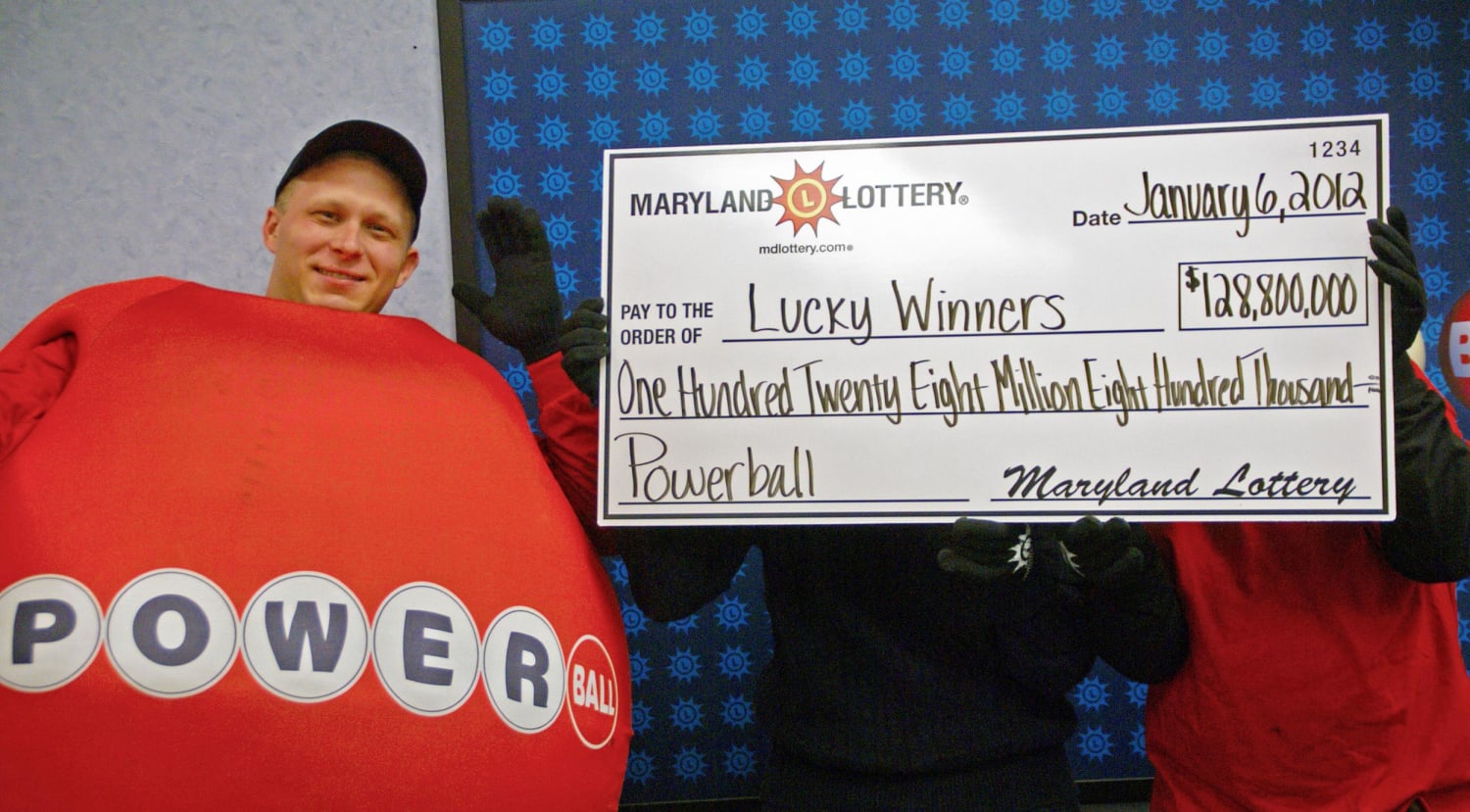
How Sweepstakes Winners Can Protect Their Anonymity
The LLC Route
For high-value, physical assets like real estate, luxury vehicles, or business equipment, you can establish a Limited Liability Company (LLC). If you utilize a hired corporate registered agent service, the agent's name and corporate address go onto the state filings, completely removing your personal residence and phone number from public searchable real estate databases.
3. Go Dark Digitally Before the Official Announcement
If the sweepstakes administrator denies an entity claim and forces a personal announcement, your immediate defense is an intensive digital lockdown. Scammers and solicitors do not just look at a winners' list; they cross-reference that list with social media platforms to target your network.
-
Deactivate Social Media Profiles: Temporarily deactivate your Instagram, TikTok, Facebook, and LinkedIn accounts before the sponsor publishes your name. This cuts off an automated scraper's ability to map out your relatives, locate your workplace, or harvest your personal photos.
-
Scrub Public Data Broker Sites: Use data removal services to scrub your home address and cellular telephone number from public search directories (like Whitepages, Spokeo, and Radaris).
-
Establish a Secondary Communication Layer: Change your primary phone number and set up an unlisted VOIP number or an isolated email address specifically to manage the prize fulfillment logistics.
4. The 2026 Reporting Reality: The IRS Knows Everything
It is vital to understand that while you can legally hide your identity from the public, you cannot hide your identity from the federal government. Anonymity structures only shield you from the media and solicitors; they provide zero insulation from tax collection.
Under the One Big Beautiful Bill Act (OBBBA) of 2026:
-
The W-9 Requirement: The sponsor will not release any prize or combination of prizes valued at $2,000 or more until you personally submit a verified Form W-9 containing your Social Security Number (SSN) or Individual Taxpayer Identification Number (ITIN).
-
The 1099-MISC Link: Even if a trust or LLC claims the physical payout, the underlying tax liability is passed directly through to your personal tax file. The sponsor will issue a Form 1099-MISC listing the true Fair Market Value (FMV) of the prize as ordinary income.
Protect Your Privacy and Your Winnings with KTS
Managing the legal logistics of blind trusts, auditing complex publicity releases, and dealing with the psychological stress of an public announcement can quickly take the joy out of winning. The fear of being targeted by financial predators causes many entrants to step away from the hobby entirely.
A Keep The Sweep (KTS) membership provides the absolute safety net you need to sweep with confidence. For a $25 annual fee, our community-backed protection system shields your financial profile.
When you register a verified win with us, KTS compliance coordinators provide clarity on how to navigate the verification paperwork safely. Most importantly, through our community-funded model, we settle the federal and state tax liabilities for your registered wins directly with the proper revenue authorities. KTS manages the complex IRS reporting and mitigates the tax bracket shock, ensuring your winnings stay private, secure, and entirely yours to enjoy.