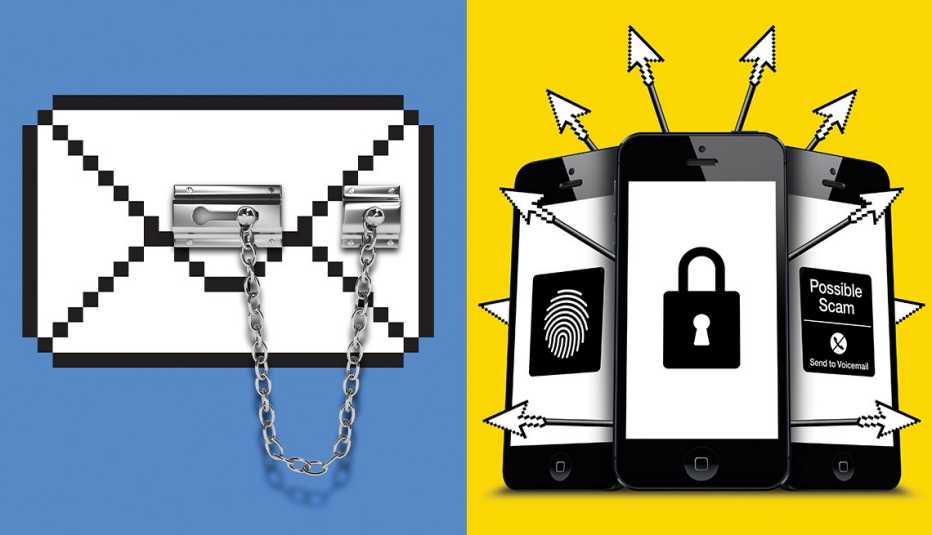
Understanding the fundamental laws governing the "Chance Industry" is your first and most effective line of defense. Here is how to navigate the 2026 sweepstakes landscape safely and ensure your personal information remains secure.
The Golden Rule: "Free to Enter, Free to Win"
The single most important concept in sweepstakes law is the removal of "consideration". A legitimate sweepstakes will never require you to pay to enter or to claim a prize.
Spotting the Upfront Payment Scam
If you receive a notification stating that you have won a prize but must first pay "processing fees," "shipping costs," or "pre-paid taxes," it is a scam.
-
The Tax Trap: Scammers often claim that the government requires immediate tax payment before a prize can be released.
-
Legal Reality: Legitimate sponsors will never collect taxes from you directly. While you are responsible for the "Winner's Tax," this is settled with the IRS or your state revenue department at the end of the year—not paid to the sponsor upfront.
The Alternate Method of Entry (AMOE)
Legitimate promotions that offer entries for purchases must provide a free way to enter, typically via a mail-in entry or an online form. If a "giveaway" only offers entries to those who buy a product without a free alternative, it is an illegal private lottery and likely a fraudulent operation.
Identifying 2026 Phishing and Impersonation Tactics
Scammers in 2026 often impersonate well-known brands like HGTV, Publishers Clearing House, or even government agencies.
Government Impersonation
One common tactic involves a "representative" from a non-existent agency like the "National Sweepstakes Bureau" or the "FTC Prize Division" contacting you.
-
The Truth: The federal government does not oversee or manage the distribution of private sweepstakes prizes.
-
Check the Sender: Legitimate notifications will come from the sponsor’s official domain or their designated sweepstakes administrator (such as Realtime Media or Marden-Kane).
High-Pressure Deadlines
Fraudulent notifications often create a false sense of urgency, demanding you "act within 24 hours" or provide your banking information immediately to "reserve" your prize. While legitimate sponsors do have response windows (typically 3 to 7 days), they will never ask for your bank account details or credit card number over the phone or email.
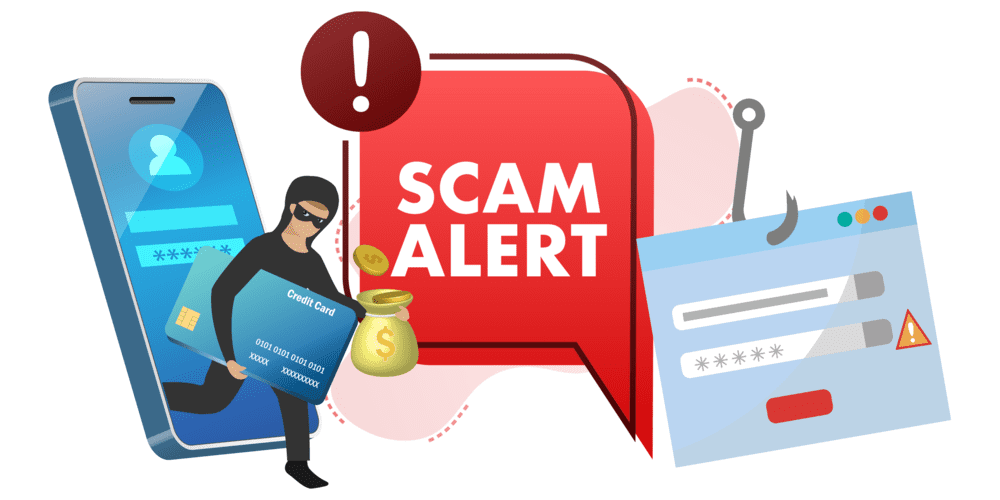
How to Avoid Sweepstakes Scams and Fraud
Protecting Your Identity During the Entry Process
Privacy is a critical component of fraud prevention. Every piece of information you provide to a scammer can be used for identity theft or sold to other malicious actors.
The Social Media "Tag" Trap
Many viral 2026 contests on TikTok and Instagram are "data harvesting" operations. If an account with zero followers or a slightly misspelled name (e.g., @HGTV_Official_Winner) asks you to click a link in their bio to "verify" your win, do not interact with it.
Use Dedicated "Burner" Info
To minimize exposure, use a dedicated email address and a virtual phone number for your sweepstakes entries. This prevents scammers from accessing your primary accounts and makes it easier to spot fraudulent emails. If you receive a "win" notification on an email account you never use for sweepstakes, you know immediately it is a fake.
What a Legitimate Win Looks Like
Knowing the standard legal process for a real win helps you identify the deviations that signal a scam.
-
The Notification: You will typically be contacted via the method specified in the official rules (email, phone, or certified mail).
-
The Affidavit: For high-value wins, you will be sent an Affidavit of Eligibility and a Liability/Publicity Release.
-
The W-9 Form: If your prize is valued at $2,000 or more in 2026, the sponsor is legally required to collect your Social Security Number via a W-9 form to report the win to the IRS.
-
Secure Submission: Legitimate sponsors will provide a secure portal or a physical address for these documents—never a "quick reply" via DM or text.
The KTS Guard: Financial Peace of Mind
Real sweepstakes prizes come with real tax bills. Scammers exploit the fear of these taxes to trick you into paying them up front.
With a Keep The Sweep (KTS) membership, you don't have to fear the "Winner's Tax". For $25 a year, KTS settles the federal and state tax liabilities for your registered wins through our community-funded model. By removing the financial pressure of the win, KTS helps you stay calm and skeptical when you receive a notification, making you much less likely to fall for a "pre-paid tax" scam.
Conclusion: Sifting the Real from the Fraud
The world of 2026 sweepstakes offers incredible opportunities, but it requires a vigilant mind. By remembering that you never pay to win, using dedicated entry information, and understanding the legal verification process, you can protect your identity and your bank account.
Join the Keep The Sweep community today. We provide the legal and financial shield you need to navigate the chance industry safely and keep every legitimate prize you win.
[Join Keep The Sweep – Your Defense Against Scams and Tax Liens]
FAQ for this Post:
-
Q: Is it a scam if they ask for my Social Security Number? A: Not necessarily. For prizes over $2,000, legitimate sponsors must collect your SSN for IRS reporting. However, only provide this via a secure portal or physical mail after verifying the sponsor.
-
Q: Can I win a sweepstakes I didn't enter? A: No. This is one of the most common scam triggers. You must enter a legitimate sweepstakes to be eligible to win.
-
Q: Does KTS help with scam recovery? A: No. KTS is a financial protection service for legal, legitimate sweepstakes wins. It does not provide recovery services for funds lost to fraudulent scams.