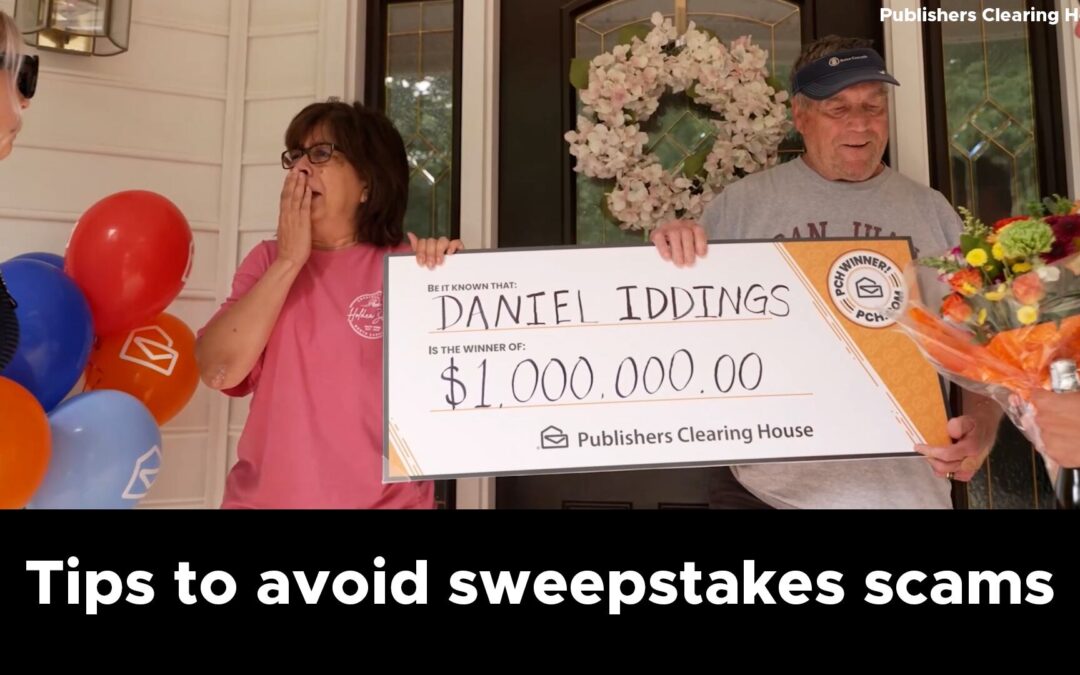
The resurgence of online sweepstakes has brought an incredible wave of high-value promotional giveaways. But alongside legitimate corporate marketing campaigns, a sophisticated network of digital fraud has emerged. Today's scammers leverage advanced automation, convincing brand impersonations, and high-pressure tactics to target optimistic entrants.
For dedicated sweepers, mastering the mechanics of a real win means simultaneously mastering the art of defense. Here, seasoned sweepstakes winners share the exact rules, structural red flags, and digital hygiene practices they use to filter out fraud and protect their households.
1. The Absolute Law: You Cannot Win Unentered Contests
The most fundamental defense mechanism shared by veteran winners is a strict reliance on data tracking. A primary indicator of an active scam is receiving an unsolicited "grand prize" notification for a drawing you have absolutely no record of entering.
In the Winners' Words:
"The absolute golden rule of sweeping is simple: You cannot win a contest you did not explicitly enter. Period. Scammers send out thousands of blind text messages, emails, and social media DMs claiming you've won an international lottery or a random corporate drawing.
To protect myself, I maintain a strict digital workspace log. Every time my form-filler executes a daily check-in or submits an entry, it records the sponsor name, campaign title, and submission timestamp. If I receive a winning notification from an organization that isn't actively mapped in my entry log, I delete the message immediately without clicking a single link."
2. Spotting the "Upfront Fee" Extortion Tactic
A favorite weapon of promotional fraudsters is the demand for immediate, upfront capital to "release" an asset. Scammers construct official-looking notifications claiming that while you have won a massive cash jackpot or vehicle, you must first send money to cover "processing fees," "shipping and handling," or "prepaid customs duties".
┌────────────────────────────────────────────────────────┐
│             THE FINANCIAL TRANSACTION ACID TEST        │
└───────────────────────────┬────────────────────────────┘
                            │
         ┌──────────────────┴──────────────────┐
         ▼                                     ▼
┌─────────────────────────────────┐   ┌─────────────────────────────────┐
│     LEGITIMATE WIN FLOW         │   │         SCAMMER RED FLAGS       │
├─────────────────────────────────┤   ├─────────────────────────────────┤
│ • Zero upfront fees required    │   │ • Demands immediate payment for │
│ • Taxes handled via IRS forms   │   │   "shipping" or "processing"    │
│ • Official identity verification│   │ • Requests wire transfers, gift │
│   prior to asset delivery       │   │   cards, or cryptocurrency      │
└─────────────────────────────────┘   └─────────────────────────────────┘
Legitimate corporate sweepstakes will never charge a winner a fee, require a purchase, or demand upfront capital to claim a prize. Winning is entirely free and based purely on chance. While high-value wins trigger mandatory federal tax compliance paperwork, those liabilities are settled directly with the revenue authorities during tax season, never paid as a cash gatekeeper to the sweepstakes sponsor.
If a notification requests payment via wire transfer, digital gift cards, or cryptocurrency, it is an outright scam.

Sweepstakes winners share how they avoid scams
3. Auditing the Communication Architecture
Professional sweepers treat prize notifications with the same scrutiny as a security professional auditing a network. Scammers frequently compromise the illusion of legitimacy by cutting corners on their technical infrastructure.
-
Domain Scrutiny: Legitimate corporate brands and professional third-party sweepstakes administrators communicate exclusively from secure, authenticated corporate email domains (e.g.,
@brandname.com). If an "official notice" arrives from a free public provider like Gmail, Yahoo, or Hotmail, it is instantly flagged as fraudulent. -
Grammatical Integrity: Corporate marketing departments spend thousands vetting their promotional copy. Scam notifications frequently originate from overseas operations and are riddled with sloppy phrasing, odd translations, glaring typographical errors, or excessive, frantic punctuation.
-
Artificial Urgency and Secrecy: Fraud relies on panic. Scammers use high-pressure timelines—demanding a response within 24 hours—or instruct you to keep the win a secret from your family and bank. They create this false urgency to force you into a quick, reckless decision before you have time to independently vet the claim.
4. The Counterfeit Check Overpayment Trap
One of the most dangerous financial maneuvers executed by promotional scammers is the check overpayment scheme. A victim receives an authentic-looking check in the mail representing "partial cash winnings" intended to help pay for the upcoming prize taxes or processing fees.
The winner is instructed to deposit the check into their personal bank account, keep a small portion for themselves, and immediately wire the remainder back to a designated clearing agent to settle the administrative costs. Because modern banking regulations make funds available within a few business days, the victim assumes the check is valid.
However, it can take weeks for a bank's back-end infrastructure to fully process and reject a counterfeit document. Once the check inevitably bounces, the bank reverses the full deposit amount from your account. The money you wired to the scammer is gone permanently, leaving your household entirely responsible for covering the missing funds.
Insulate Your True Wins with KTS
Navigating the high-stakes world of online sweepstakes requires absolute mental clarity, disciplined entry habits, and a foolproof safety net. Once you learn to bypass the digital minefield of fraudulent promotions, you are left with real, valid, life-altering corporate campaigns. But even after confirming a legitimate high-value win, you still face the real compliance landscape of the modern chance industry.
Under the federal One Big Beautiful Bill Act (OBBBA) of 2026, any verified promotional prize crossing the $2,000 threshold triggers strict reporting guidelines. Because the IRS treats legitimate sweepstakes prizes exactly like unearned ordinary cash income, a major merchandise or physical asset windfall can introduce intense, unexpected tax liabilities stacked directly on top of your progressive income bracket.
A Keep The Sweep (KTS) membership provides active sweepers with the ultimate financial and administrative defense framework. For a $25 annual fee, our community-backed protection system shields your household from the sudden shock of prize tax liability.
The moment you register a verified, legitimate promotional win with us, KTS absorbs the heaviest structural and legal burden of your success. Through our community-funded model, we step in to settle the federal and state income tax liabilities triggered by your high-value prizes directly with the proper revenue departments. KTS handles the complex IRS compliance details behind the scenes, ensuring that your data stays secure, your finances stay clear of progressive bracket shock, and your hard-earned winnings stay yours entirely to enjoy.