Winning a major sweepstakes is often portrayed as a life-changing moment of pure joy, but for the unprepared, that joy can quickly turn into a complex logistical puzzle involving state and federal revenue services. While the federal government maintains a relatively uniform approach to taxing prize winnings, the landscape shifts dramatically once you cross state lines. In 2026, the intersection of sweepstakes law and fiscal policy is more intricate than ever, especially following the implementation of the One Big Beautiful Bill Act, which adjusted reporting thresholds and how state agencies track digital wins. Understanding how your physical location influences your net winnings is essential for any savvy "sweeper" looking to protect their newfound wealth.
The Federal Foundation and the 2026 Reporting Shift
Before diving into the variations between states, it is critical to understand the federal baseline that applies to all winners across the country. The Internal Revenue Service (IRS) classifies sweepstakes prizes—whether they are cash, cars, or tropical vacations—as "Other Income." This income is taxed at your ordinary income tax rate, which depends on your total annual earnings and filing status.
A significant change for the 2026 tax year is the increase in the reporting threshold for a Form 1099-MISC. For decades, sponsors were required to issue this form for any prize valued at $600 or more. Under the new federal guidelines, that threshold has been raised to $2,000. While this reduces paperwork for smaller wins, it does not alleviate your tax liability. Even if a sponsor does not send you a form for a $1,500 prize, the law still requires you to report the fair market value of that item on your federal return.
States with No Income Tax: The Winner’s Paradise
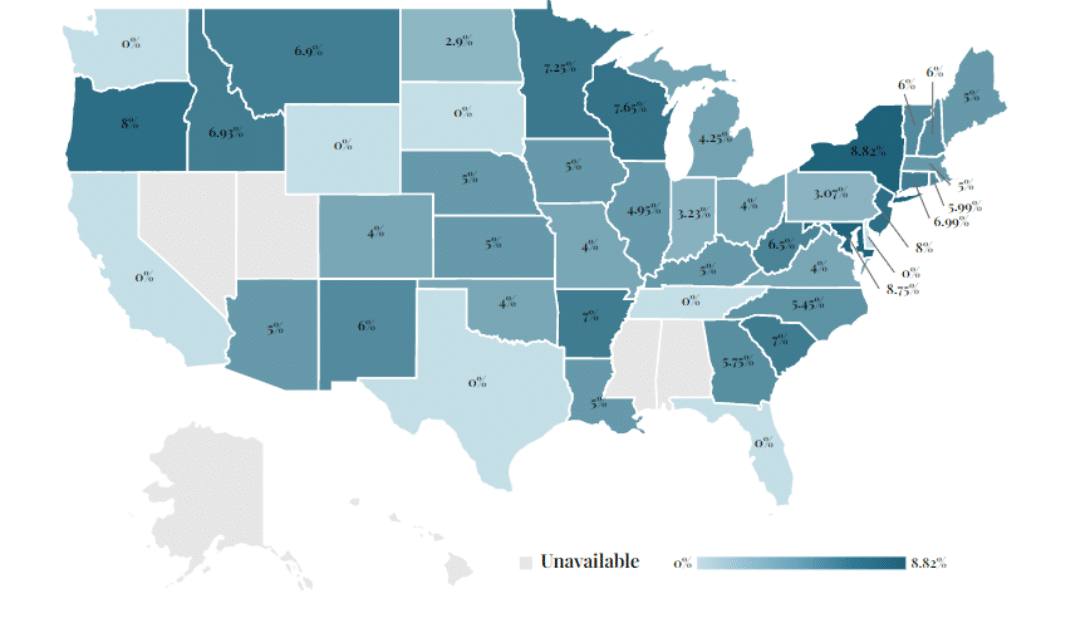
For residents of certain states, the tax conversation begins and ends with the federal government. There are currently several states that do not impose a state-level income tax on individuals, which makes them the most financially advantageous places to win a prize. If you reside in Alaska, Florida, Nevada, South Dakota, Tennessee, Texas, or Wyoming, you will not owe a dime in state income tax on your sweepstakes winnings.
In these jurisdictions, the "Fair Market Value" of your prize—such as the located in Orlando—is essentially shielded from state-level depletion. This can result in a savings of anywhere from 3% to 13% compared to high-tax states. It is important to note, however, that even in "no-tax" states, local municipalities may occasionally have specific residency-based fees, though these are rare for sweepstakes prizes.
High-Tax Jurisdictions and the Progressive Scale
On the opposite end of the spectrum are states like California, New York, and New Jersey, which utilize a progressive tax system. In these states, the more you win, the higher the percentage the state takes. For a grand prize winner, this can be a significant blow to the "take-home" value of the win.
California’s Aggressive Approach
California is known for having some of the highest top-tier tax rates in the nation. If a California resident wins a million-dollar prize, the state may take up to 13.3% in taxes. California is also unique in how it handles "non-resident" winners; if you win a prize that is physically located in California (like a house or a car at a California-based event), the state may attempt to tax that win even if you live elsewhere, leading to complex "reciprocity" issues between state tax boards.
New York and the City Tax Layer
New York state maintains a robust income tax, but residents of New York City face a "double whammy." NYC residents must pay both the New York state income tax and a specific city income tax. For a high-value sweepstakes winner, this combined rate can easily exceed 10-12%. If you win a major prize while living in the Five Boroughs, you must be particularly diligent about setting aside funds for the next April.
Reciprocity and "Situs" Tax Issues
One of the most confusing legal areas for sweepstakes winners is the concept of "situs"—or where the win technically occurred. Generally, you are taxed based on where you live (your state of residence). However, if a sweepstakes is tied to a physical location, things get complicated.
For example, if a resident of a mid-tax state like Ohio wins a prize at a live event in Illinois, Illinois may claim that the income was "sourced" in their state. In such cases, the winner might be required to file a non-resident return in Illinois and pay taxes there. Most states have "reciprocity agreements" or allow for a "credit for taxes paid to another state" to prevent double taxation, but the administrative burden of filing in two states can be a headache for the uninitiated.
How Sweepstakes Winners Are Taxed in Different States
Valuing Non-Cash Prizes in Different States
The way a state determines "Fair Market Value" (FMV) can also vary. While the federal government usually relies on the sponsor’s stated value (the ARV, or Approximate Retail Value), some state tax boards allow winners to argue for a lower valuation if they can prove the item would sell for less on the open market.
The Depreciation Argument
In states like Massachusetts or Pennsylvania, savvy winners sometimes hire independent appraisers to value physical prizes like vehicles or home renovations. If a car’s ARV is $50,000 but its actual resale value at a local dealership is $42,000, successfully arguing for the lower value could save hundreds or even thousands in state taxes.
Sales and Use Tax Complications
In addition to income tax, some states may require winners to pay a "Use Tax" on physical prizes brought into the state. This is essentially the equivalent of a sales tax for items that weren't "purchased" but are now being registered in the state. For a resident of Michigan or Minnesota winning a luxury boat or RV, the state might demand the sales tax equivalent before a title or registration can be issued.
The KTS Guard: Protecting Winners Nationwide
Regardless of which state you live in, the "Winner's Tax" is the single greatest threat to your prize. This is why the Keep The Sweep (KTS) membership has become an essential tool for modern sweepers. Whether you are facing California's high progressive rates or New York City's dual-tax system, KTS provides a vital safety net.
Your $25 annual KTS membership grants you access to a community-funded model that settles federal and state tax liabilities for your registered wins. When you win a prize, KTS acts as your financial shield, ensuring that the state revenue department doesn't force you to sell your prize just to pay the bill. By settling these debts directly, KTS allows you to enjoy 100% of your win, regardless of your state’s specific tax code.
Preparing for the Affidavit of Eligibility
In 2026, many states have introduced stricter verification laws to combat bot-driven entries and identity fraud. When you are drawn as a potential winner, the sponsor will often require a notarized Affidavit of Eligibility and Liability/Publicity Release.
In states like Rhode Island and Maryland, these documents may include specific language regarding the state's prize-sharing laws. You must return these documents within a very tight window—often 48 to 72 hours—or the sponsor will move to an alternate winner. Being aware of your state’s specific requirements for notarization (some states now allow "Remote Online Notarization") is key to ensuring you don't miss out on a prize over a technicality.
Conclusion: Knowledge is the Best Prize
The dream of winning is universal, but the tax reality is hyper-local. As you enter major 2026 giveaways like the HGTV Smart Home, take a moment to investigate your state's specific stance on "Other Income." Are you in a "no-tax" haven, or will you be navigating the progressive brackets of the coast?
By combining professional curation tools like Sweepstakes Fanatics with the financial protection of a Keep The Sweep membership, you can enter with confidence. We handle the complex math and state-level settlements so that when the call comes, you can say "Yes" without hesitation.