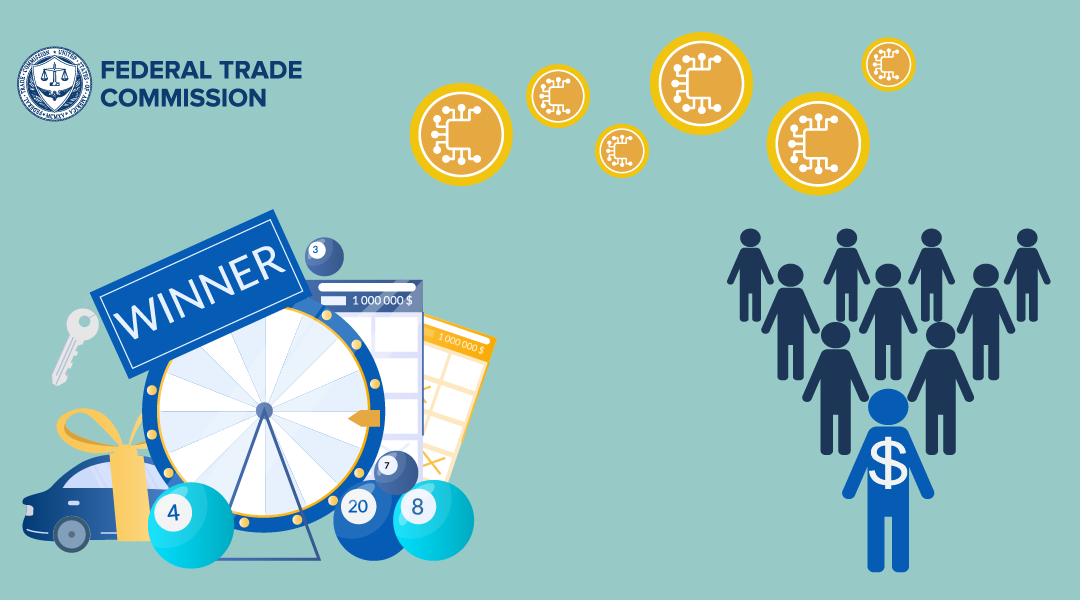
Discovering that a promising "winning notification" is actually a fraudulent trap can be incredibly frustrating. In 2026, sweepstakes fraudsters regularly deploy sophisticated AI toolsets—including hyper-realistic voice cloning, deepfake corporate branding, and automated phishing funnels—to trick consumers into surrendering cash or sensitive identity data.
If you or a family member has been targeted by a fake prize scheme, reporting the incident is vital. While individual law enforcement agencies rarely act as personal collection services, filing formal complaints puts tracking data directly into the secure databases used globally by civil and criminal investigators to dismantle organized fraud networks. Here is a step-by-step guide on how to report sweepstakes scams to the proper authorities.
1. Assemble Your Evidence Trial
Before logging onto government reporting portals, organize your digital and physical evidence. Having precise data points makes your report exponentially more useful to federal investigators.
-
Communication Elements: Save full header data from phishing emails, take clean screenshots of fraudulent social media DMs, and copy the exact telephone numbers or SMS text strings used by the scammer.
-
Financial Transaction Tracking: If funds were unfortunately transferred, compile bank routing numbers, wire transfer receipts, peer-to-peer account handles (Venmo, Cash App, Zelle), cryptocurrency wallet addresses, or the serial numbers of prepaid gift cards.
-
Corporate Impersonation Details: Document the exact names, fake employee IDs, and brand assets the fraudster used (such as pretending to be from Publishers Clearing House, Mega Millions, or the FTC itself).
2. File with the Primary Federal Reporting Portals
The U.S. government runs centralized clearinghouses that automatically route consumer fraud reports to thousands of local, state, and international law enforcement partners.
┌────────────────────────────────────────────────────────┐
│             WHERE TO ROUTE YOUR SCAM REPORT            │
└───────────────────────────┬────────────────────────────┘
                            │
         ┌──────────────────┼──────────────────┐
         ▼                  ▼                  ▼
┌─────────────────┐┌─────────────────┐┌─────────────────┐
│   THE FTC PIVOT ││   THE FBI IC3   ││    THE USPIS    │
├─────────────────┤├─────────────────┤├─────────────────┤
│ Reports general ││ Handles internet││ Tracks physical │
│ consumer fraud, ││ scams, digital  ││ mail-in fraud & │
│ phone scams,    ││ phishing, &     ││ fake cashier's  │
│ & fake text DMs ││ wire transfers  ││ checks          │
└─────────────────┘└─────────────────┘└─────────────────┘
The Federal Trade Commission (FTC)
The FTC is the primary consumer protection agency in the U.S. They do not resolve individual financial disputes, but they enter all data into the Consumer Sentinel Network, a highly secure investigative database utilized by civil and criminal authorities worldwide to build patterns against predatory groups.
-
Portal: ReportFraud.ftc.gov
-
Hotline: 1-877-FTC-HELP (1-877-382-4357)
The FBI’s Internet Crime Complaint Center (IC3)
If the sweepstakes scam involved digital tools—such as a deceptive website link, a social media cloning scheme, or an email requesting a wire transfer—file a formal complaint directly with the FBI. The IC3 acts as the central intelligence hub for cyber-enabled financial crimes and has the capacity to track and occasionally freeze stolen digital assets.
-
Portal: IC3.gov
The United States Postal Inspection Service (USPIS)
If the prize notification arrived via physical mail, or if the scammer mailed you a counterfeit cashier's check to deposit as part of a fake check ring, it is a federal postal crime.
-
Portal: USPIS.gov

How to Report Sweepstakes Scams to Authorities
3. Contact State-Level Consumer Protection Divisions
Federal agencies handle macro-level trends, but your state authorities often move faster to issue localized warnings, enforce state-specific price statutes, or issue subpoenas.
-
The State Attorney General: Navigate to your specific state's official website and locate the Consumer Protection Division. Filing a report here ensures that your state’s legal teams can monitor localized trends and coordinate multi-state enforcement actions against deceptive marketing companies.
-
Local Law Enforcement: If you have suffered an actual financial loss or shared sensitive financial details, visit your local police department to file an official criminal report. Request a physical copy of the police report; this paper trail is often a mandatory prerequisite required by bank fraud departments to reverse unauthorized charges or secure identity monitoring services.
4. Execute Identity Theft Recovery Procedures
If you provided your Social Security Number, uploaded a photo of your driver's license, or entered your banking routing details into a fake corporate release portal, you must immediately pivot to asset defense.
-
Log a Report at IdentityTheft.gov: This specialized FTC portal creates a customized, step-by-step recovery plan based on the exact type of credential exposed.
-
Execute a Credit Freeze: Contact the three major credit bureaus independently to freeze your credit files:
-
Equifax: 1-800-685-1111
-
Experian: 1-888-397-3742
-
TransUnion: 1-800-916-8800
-
-
Notify Financial Institutions: Instruct your bank or credit card company to close compromised account routing numbers and issue entirely fresh credentials.
Sweep Safely and Confidently with KTS
The constant threat of sophisticated prize fraud causes many passionate sweepers to abandon the hobby altogether. The stress of attempting to differentiate between a legitimate, high-value corporate verification portal and a dangerous identity trap can drain the fun out of winning.
A Keep The Sweep (KTS) membership provides the absolute peace of mind you need to sweep safely. For a $25 annual fee, our community-backed protection matrix shields your sweeping journey.
When you register your wins with us, KTS compliance specialists can help you confirm that you are interacting with verified, legitimate third-party promotional administrators. Once your win is confirmed authentic, KTS utilizes our community-funded model to settle the federal and state tax liabilities directly with the proper revenue authorities. KTS handles the compliance complexities and protects your financial profile, so you can safely disregard the scammers and focus entirely on claiming legitimate rewards.
FAQ for this Post
-
Q: Will the FTC or FBI get my money back if I am defrauded?
-
A: Federal agencies collect scam data primarily to build criminal cases against bad actors, not to act as direct collection agents for individual losses. To attempt to recover lost funds, you must contact your bank or credit card company immediately to contest the fraudulent charges.
-
-
Q: What is the BBB Scam Tracker, and should I use it?
-
A: The Better Business Bureau (BBB) Scam Tracker is a public crowd-sourced database where consumers log scams to warn others. While it is an excellent tool for public transparency, logging an incident there does not count as a formal report to law enforcement. You must still file with the FTC or IC3.
-
-
Q: A scammer is calling me repeatedly, claiming they are from the FTC. What do I do?
-
A: Hang up immediately. Government employees will never call to tell you that you won a lottery, nor will they ever demand upfront fees, gift cards, or crypto to release a prize. This is a common government impersonation scheme that should be logged at ReportFraud.ftc.gov.
-
-
Q: Can I forward a scam text message directly to my mobile provider?
-
A: Yes. If you receive a sweepstakes scam via text message on your mobile device, forward the message directly to 7726 (SPAM). This automated service allows your cellular network carrier to track the spammer's origin point and block their text clusters across the network.
-