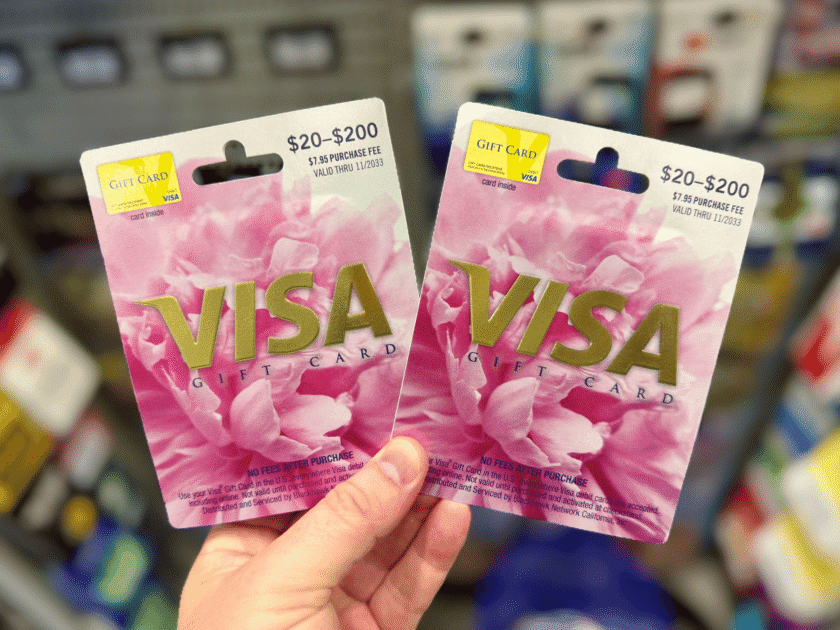
Gift cards are among the most popular prizes utilized by sweepstakes hosts. From a marketing perspective, a $500 Amazon, Target, or Visa gift card is highly attractive, cost-effective, and easy to digitally fulfill. However, from a compliance standpoint, giving away gift cards introduces a unique dual-layered legal challenge.
In the United States, a gift card sweepstakes is not just governed by federal and state promotional giveaway laws; it is simultaneously restricted by federal banking regulations and state-level "stored value" or "unclaimed property" statutes.
1. The Dual-Rule Framework: Promotion vs. Instrument
When a sponsor awards a physical or digital gift card, the winner is handed an asset subject to two completely independent sets of rules.
       ┌────────────────────────────────────────────────────────┐
       │                THE GIFT CARD PRIZE TRAP                │
       └───────────────────────────┬────────────────────────────┘
                                   │
         ┌─────────────────────────┴─────────────────────────┐
         ▼                                                   ▼
┌─────────────────────────────────┐                 ┌─────────────────────────────────┐
│     SWEEPSTAKES CONTRACT        │                 │       RETAILER CARD TERMS       │
│  Defined by the Official Rules  │                 │  Defined by the Issuing Brand   │
├─────────────────────────────────┤                 ├─────────────────────────────────┤
│ • Entry eligibility windows     │                 │ • Expiration bans / parameters  │
│ • No Purchase Necessary (AMOE)  │                 │ • Inactivity or maintenance fees│
│ • W-9 identity verification     │                 │ • Prohibition of cash payouts   │
└─────────────────────────────────┘                 └─────────────────────────────────┘
The sweepstakes sponsor cannot override the structural limitations placed on the card by the underlying retail issuer. If a brand gives away a $100 gift card to a specific coffee chain, the winner must comply with that chain's core terms, which frequently forbid transferring the balance, using the funds for commercial purchases, or redeeming the balance for cash.
2. Federal Gift Card Protections (The CARD Act)
At the federal level, the Credit Card Accountability Responsibility and Disclosure (CARD) Act (implemented via the Federal Reserve's Regulation E) establishes the absolute baseline protections for stored-value gift certificates, store cards, and general-use prepaid cards.
The Five-Year Expiration Limit
Under federal law, the funds underlying a gift card cannot expire less than five years from the date the card was issued or the date funds were last loaded onto it.
-
The "Promotional" Loophole Risk: The CARD Act includes an exception for cards issued as part of a "loyalty, award, or promotional program" without any money being paid by the consumer. These promotional cards can have shorter expiration dates.
-
Sponsor Best Practices: To avoid regulatory scrutiny and maintain transparent brand ethics, compliance experts advise sweepstakes hosts to utilize standard, non-promotional retail gift cards that guarantee the full five-year federal protection window for the winner.
Inactivity and Service Fee Restrictions
Sponsors must ensure that winners are not hit with surprise maintenance fees that erode the prize's value. Federal law dictates that dormancy or inactivity fees can only be charged if:
-
The card has been completely inactive for at least one full year.
-
No more than one fee is assessed per calendar month.
-
The terms and conditions regarding these fees are clearly and conspicuously printed directly on the physical card or explicitly presented in the digital redemption terms.
Sweepstakes and Gift Card Laws in the U.S.
3. State-Level Stored Value and Escheatment Complications
While federal law sets the floor, individual state laws create a highly fragmented legal landscape for gift card prizes.
State-Specific Cash Redemption Mandates
A significant point of divergence is whether a gift card can be converted into cash. While standard sweepstakes official rules almost universally declare that "prizes are non-transferable and cannot be redeemed for cash," certain state laws override corporate rules once a gift card is in a consumer's hands.
-
For example, in states like California, if a gift card balance falls below $10, the issuer is legally required to redeem the card for cash if the consumer requests it.
-
Similar low-balance cash redemption laws exist in states like Washington, Colorado, and Massachusetts, varying between $1 and $5 thresholds.
The Escheatment (Unclaimed Property) Trap
If a sweepstakes winner accepts a digital gift card code but forgets to activate or spend the balance, the unspent funds do not simply revert to the sponsor's bank account. Under state escheatment laws, after a designated period of dormancy (typically 3 to 5 years, depending on the state, such as New York or Delaware), unredeemed gift card balances are legally classified as unclaimed property and must be turned over to the state treasury department.
4. The 2026 Reporting Threshold for Gift Cards
A common misconception among casual sweepers is that gift cards are viewed by the IRS as a "store credit" rather than real cash income. The federal tax code treats gift cards as cash equivalents.
Under the One Big Beautiful Bill Act (OBBBA) of 2026:
-
The $2,000 Rule: If you win a single high-value gift card (e.g., a $2,500 Home Depot or Visa Gift Card) or cumulative gift cards from the same sponsor totaling $2,000 or more in a calendar year, it triggers mandatory tax reporting.
-
The W-9 Obligation: The sponsor will withhold delivery of the gift card codes until you submit a signed Form W-9 providing your Social Security Number.
-
The 1099-MISC: The Fair Market Value of the gift card will be reported in Box 3 (Other Income), and it will be taxed at your ordinary marginal income tax rate.
Shield Your Card Payouts with KTS
Winning a massive gift card package is fantastic for your shopping budget, but if that prize crosses the $2,000 mark, it introduces an unexpected out-of-pocket tax bill the following April. Paying real cash to the IRS for a prize restricted to a single retail store can create a sudden liquidity issue.
A Keep The Sweep (KTS) membership provides the absolute protection you need. For a $25 annual fee, our community-funded model steps in to handle the federal and state tax liabilities for your registered promotional wins. When your grand prize gift card triggers an IRS Form 1099-MISC, KTS settles the tax balance with the authorities on your behalf. We manage the regulatory and financial complexities so your gift cards stay entirely rewarding, allowing you to spend your full balance exactly how you want.
FAQ for this Post
-
Q: Can a sponsor give me a gift card that expires in six months?
-
A: If the sponsor utilizes a corporate "promotional card" loophole under the CARD Act, it is legally permissible but must be explicitly disclosed in the abbreviated rules. If they are using standard retail gift cards, federal law protects the funds for a minimum of five years.
-
-
Q: Is a Visa or Mastercard prepaid card treated differently from a retail store gift card?
-
A: Yes. General-use prepaid cards (Visa/Mastercard/Amex) are subject to additional federal banking disclosures and can occasionally incur upfront activation or system-maintenance fees that are legally barred from single-merchant store cards.
-
-
Q: Can I sell a gift card I won on an online secondary marketplace exchange?
-
A: While third-party exchange sites allow you to sell gift cards for cash, you must check the original issuer's terms and conditions. Some brands include strict anti-resale clauses that authorize them to permanently freeze or void the card balance if they detect it on a secondary auction platform.
-
-
Q: If I win a $2,500 gift card, does the sponsor withhold 24% of the card value for taxes?
-
A: No. Automatic federal withholding typically only applies to cash or gambling prizes exceeding $5,000 reported on a W-2G. For a standard 1099-MISC retail gift card win, the sponsor delivers the full card value, leaving the entire tax liability to be handled by the winner at tax time.
-